9 Natural Ways to Eliminate Odors at Home
Evangelize


Warning: Undefined variable $post_id in /var/www/html/wp-content/themes/odor-exorcism/loop-single.php on line 17
May 5, 2026
Some smells do not leave. They squat in your couch, haunt your shoes, and rise from the trash can like they pay rent. If you are looking for natural ways to eliminate odors, the goal is not to perfume the problem until your home smells like fake lavender and regret. The goal is to remove the stink at the source.
That is where a lot of people get misled. Conventional air fresheners often treat odor like a cover-up job. Spray hard enough and suddenly the room smells like “mountain breeze” plus whatever died in the hamper. Natural odor control works better when you think like an exorcist, not a decorator. Find the demon. Remove its food source. Use ingredients that neutralize instead of just masking.
Why natural ways to eliminate odors work better
Odor is usually a residue problem, a moisture problem, a bacteria problem, or all three in a trench coat. Musty bedding, funky sneakers, pet beds, upholstery, gym clothes, and stale rooms all hold onto odor molecules in fibers and on surfaces. If you only add fragrance, you are putting a scented curtain in front of the mess.
Natural methods can be surprisingly effective because many of them absorb, lift, or break down the compounds causing the smell. The trade-off is that they are not always instant, and some work better on mild to moderate odor than on a full-scale household possession. A trash can that has been fermenting in July heat may need cleaning, drying, and repeated treatment. There is no holiness in pretending one sprinkle of baking soda can solve every evil.
Start with the source, not the cover story
Before you reach for any remedy, figure out what is feeding the odor. A mildew smell usually points to trapped moisture. Sour laundry often comes from detergent buildup and damp fabrics sitting too long. Pet odor can soak into padding, seams, and porous materials. Kitchen smells tend to cling to soft surfaces long after the cooking ends.
This matters because the right fix depends on the cause. A dry, stale room needs airflow. Smelly shoes need moisture control. Upholstery may need a fabric-safe deodorizing treatment. If you skip this step, you end up fighting the same odor twice and losing both rounds.
1. Baking soda for soft surfaces and closed spaces
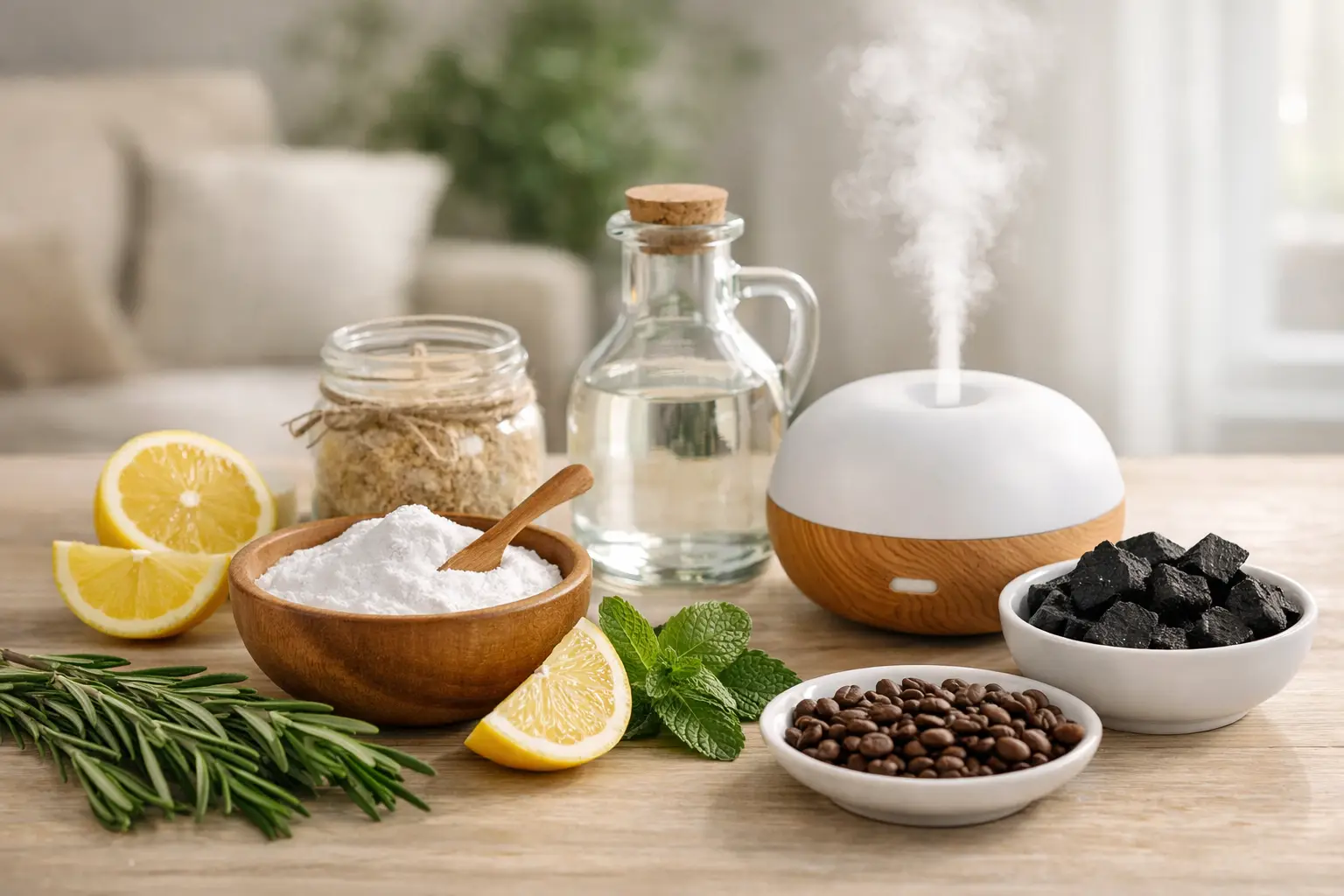
Baking soda is the old-school saint of odor control, and for good reason. It absorbs odors instead of just throwing a scent over them. It works especially well on carpets, rugs, mattresses, pet beds, and inside shoes.
Sprinkle a light layer over the fabric, let it sit for a few hours or overnight, then vacuum thoroughly. In shoes, you can shake some in, let it rest, and tap it out later. It is cheap, simple, and good for maintenance.
There are limits, though. Baking soda is better at absorbing lingering odor than attacking a deep biological mess. If your couch smells because something spilled into the cushions three weeks ago, you may need a deeper fabric treatment after vacuuming.
2. White vinegar for hard surfaces and laundry funk
White vinegar is not glamorous, but neither is odor. Diluted vinegar works well on hard surfaces like trash cans, bathroom fixtures, plastic bins, and kitchen areas where smells settle into residue. In laundry, it can help strip away buildup that traps odor in towels, activewear, and bedding.
Use it diluted with water for wipe-downs, and let the surface dry fully. For laundry, adding vinegar to the rinse cycle can help with sour or musty smells. The vinegar smell fades as it dries, which is more than we can say for the original problem.
Still, vinegar is not for every material. Some natural stone surfaces do not play nicely with acid, and some delicate fabrics need a gentler approach. It is smart, not holy.
3. Fresh air and sunlight for stale fabrics
One of the most overlooked natural ways to eliminate odors is also one of the least dramatic. Open the windows. Air out the room. Put washable blankets, pillows, or rugs in the sun if the material allows it.
Moving air helps carry odor molecules out instead of letting them recirculate through the room like cursed spirits. Sunlight can also help reduce stale smells in fabrics, especially after storage or long indoor winters. It is free, effective, and very satisfying.
The catch is obvious. Weather, pollen, humidity, and apartment living can make this harder. If outdoor air is damp, you may trade one problem for another. Fresh air works best when the environment is actually fresh.
4. Activated charcoal for closets, shoes, and musty corners
Activated charcoal is excellent in small enclosed spaces where odors build up quietly and then punch you in the face later. Think closets, gym bags, cabinets, mudrooms, cars, and shoe shelves.
Unlike perfume-heavy products, charcoal absorbs odor and moisture without announcing itself. Place charcoal bags in problem zones and let them work passively. This is especially useful for renters or anyone dealing with stale air in spaces that do not get much ventilation.
What charcoal will not do is clean the source. If your closet smells musty because of damp drywall or a mildew issue, charcoal can help manage the symptom while you deal with the real villain.
5. Washable fabrics need actual washing
This sounds obvious, yet people will stage a full scent ritual before admitting the throw blanket needs to be laundered. Odor on bedding, cushion covers, pet blankets, curtains, and clothes usually means particles are trapped in the fabric. Natural deodorizing starts with removing them.
Use a thorough wash cycle, avoid overloading the machine, and make sure items dry completely. Damp fabric is basically an invitation for odor to come back stronger and meaner. If smells persist after washing, detergent buildup or hard water may be part of the issue.
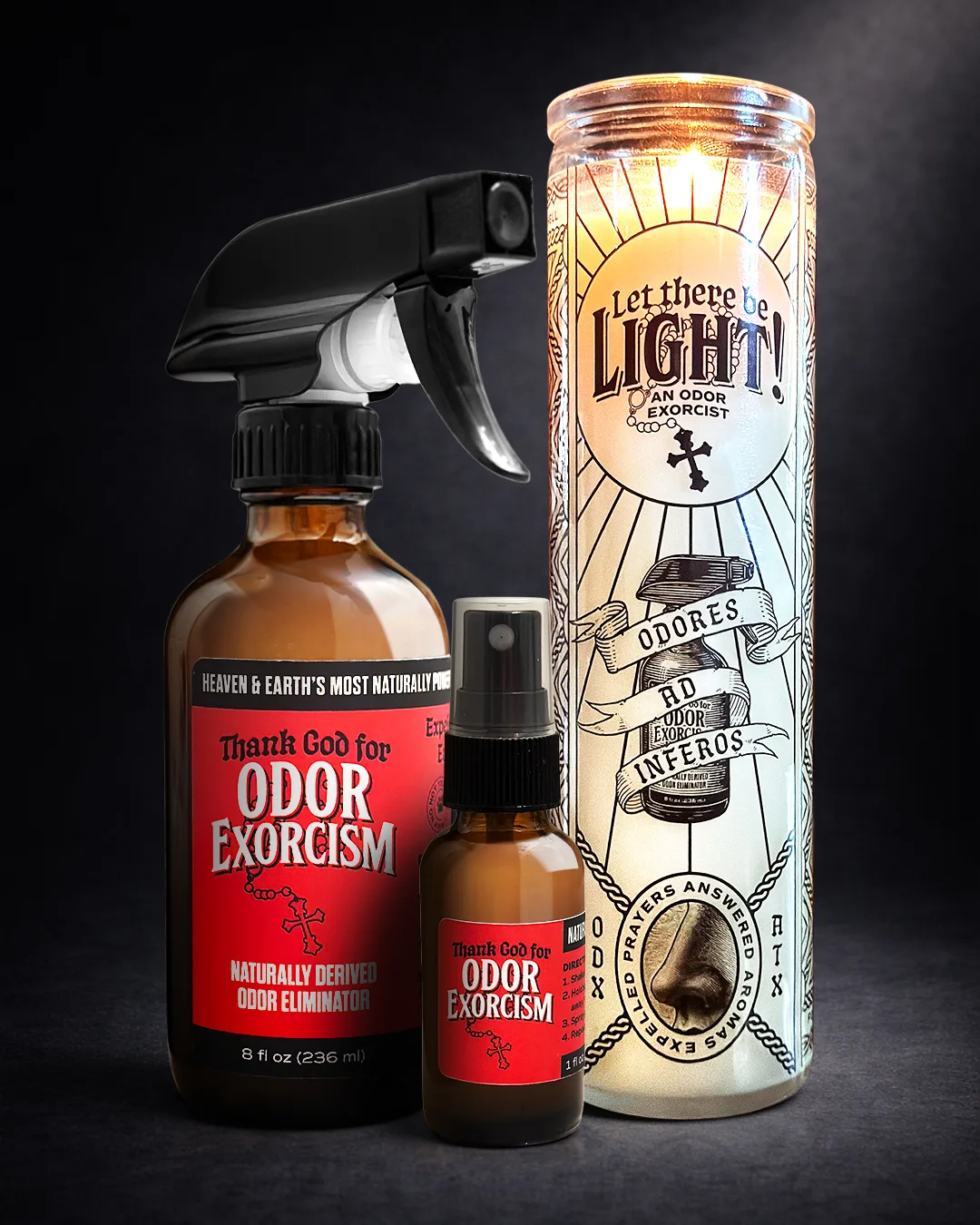
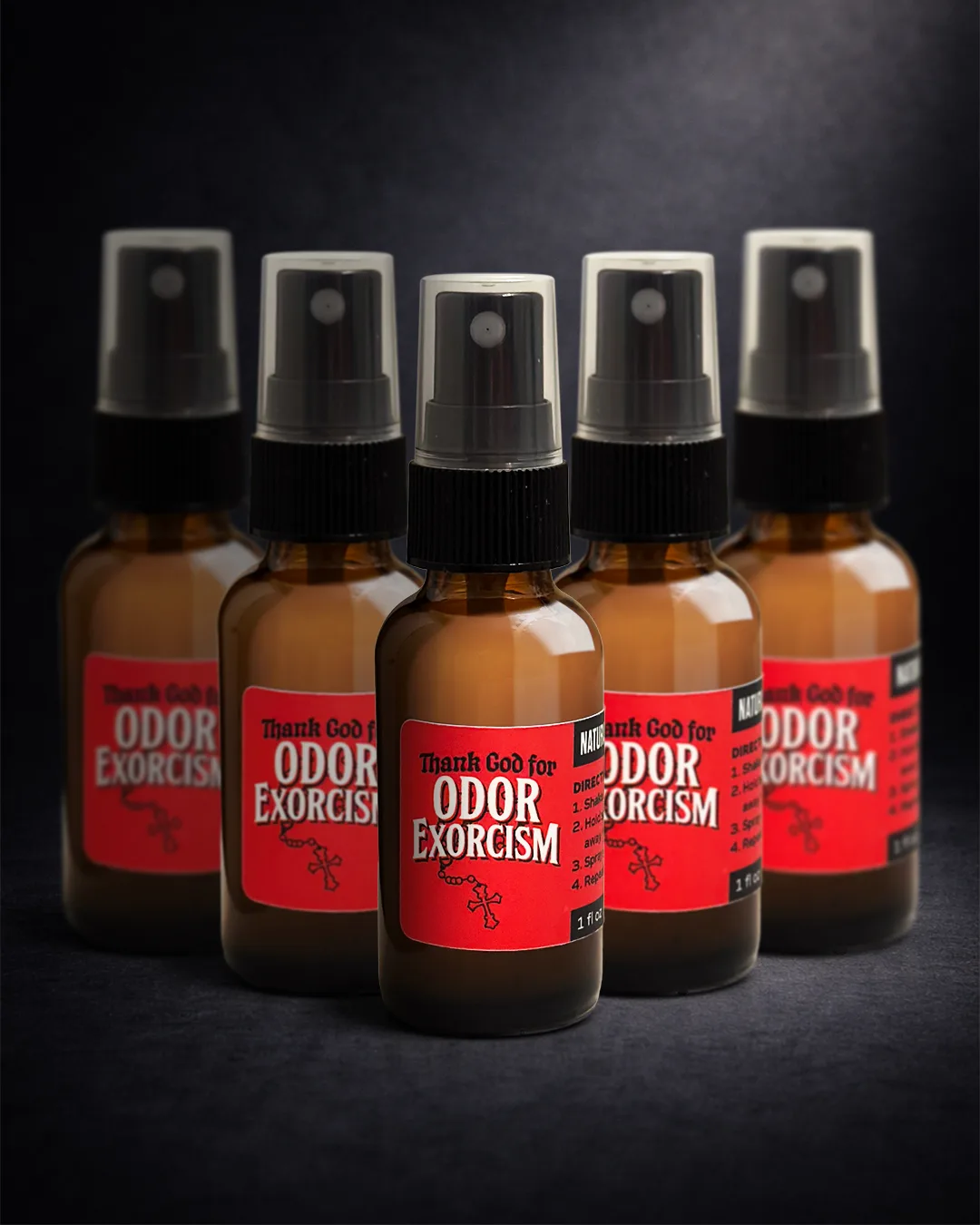
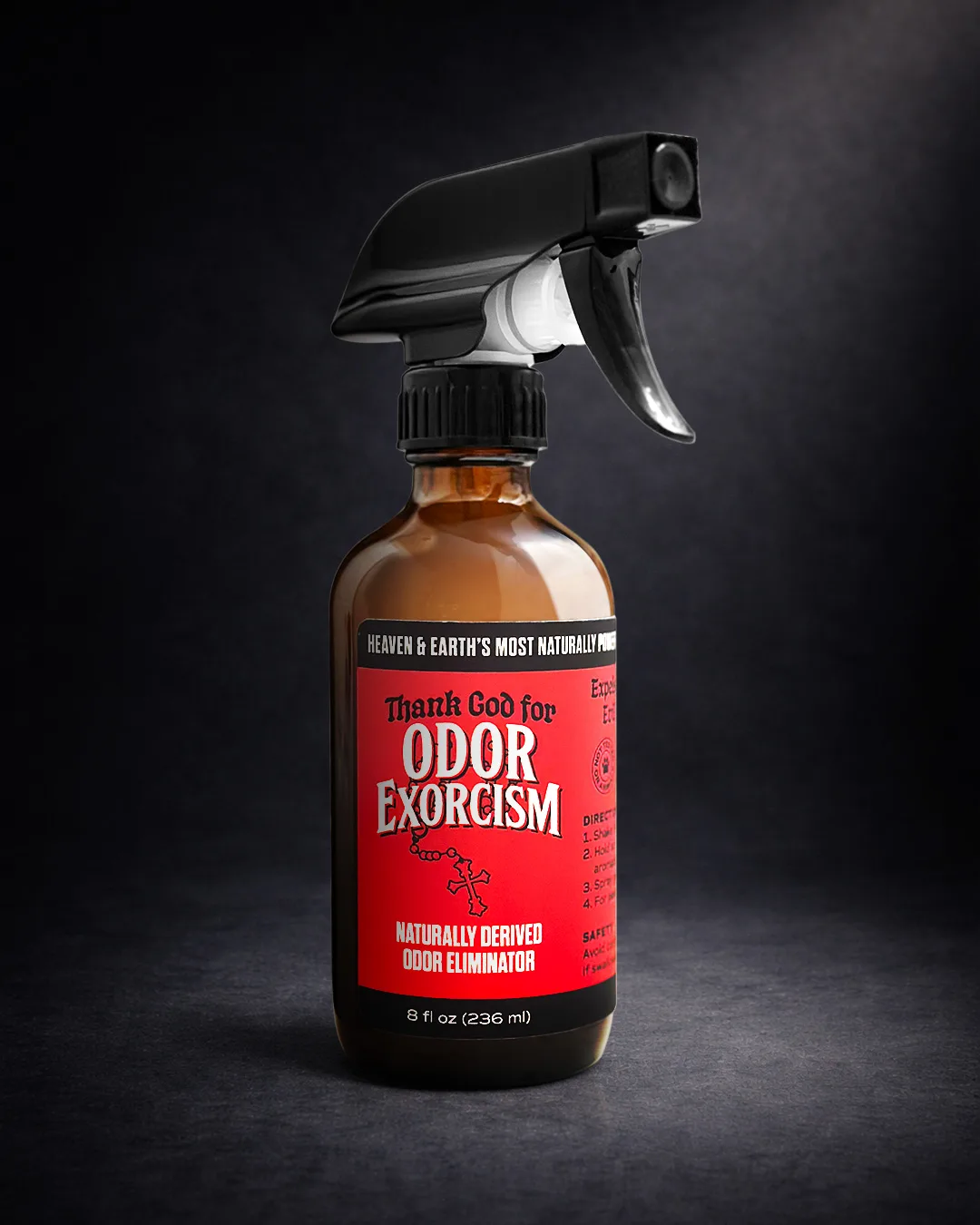
This is where a naturally derived odor eliminator spray can earn its keep between washes, especially on upholstery, shoes, bedding, and fabrics you cannot constantly throw in the machine. Odor Exorcism, for example, is built for exactly that middle ground – neutralizing funk on contact without turning your home into a synthetic fragrance haunted house.
6. Essential-oil-based odor eliminators for everyday use
Not all scented products are the same, and this is where people get suspicious for good reason. If a product is all perfume and no performance, it is just incense for denial. But a naturally derived, essential-oil-based spray designed to neutralize odor can be a practical daily tool.
This works best on bedding, upholstery, curtains, shoes, clothing, and other surfaces that collect everyday smells but are not due for a deep wash that minute. The benefit is speed. You can treat the odor where it lives and move on with your life.
It still depends on the situation. If something is soaked, moldy, or deeply contaminated, a spray alone may not be enough. Natural sprays are excellent for maintenance and fast interventions, but they are not magic against structural moisture issues or years of absorbed damage.
7. Coffee grounds for stubborn container odors
Used coffee grounds can help absorb lingering smells in containers, refrigerators, and other small spaces. They are handy when plastic or silicone holds onto food odors long after the leftovers are gone.
Place dry grounds in a bowl or breathable pouch inside the problem area for a day or two, then remove them. It is a nice secondary fix for spaces that have already been cleaned but still smell vaguely suspicious.
That said, coffee grounds can get messy, and they are not the best choice if you want a completely neutral scent profile. If you hate the smell of coffee, this is not your miracle.
8. Simmer pots and candles are mood, not cleanup
Let us have a brief intervention. Citrus peels, herbs, cinnamon sticks, and candles can make a room smell lovely. They do not eliminate the source of bad odor unless the source was somehow a lack of ambience.
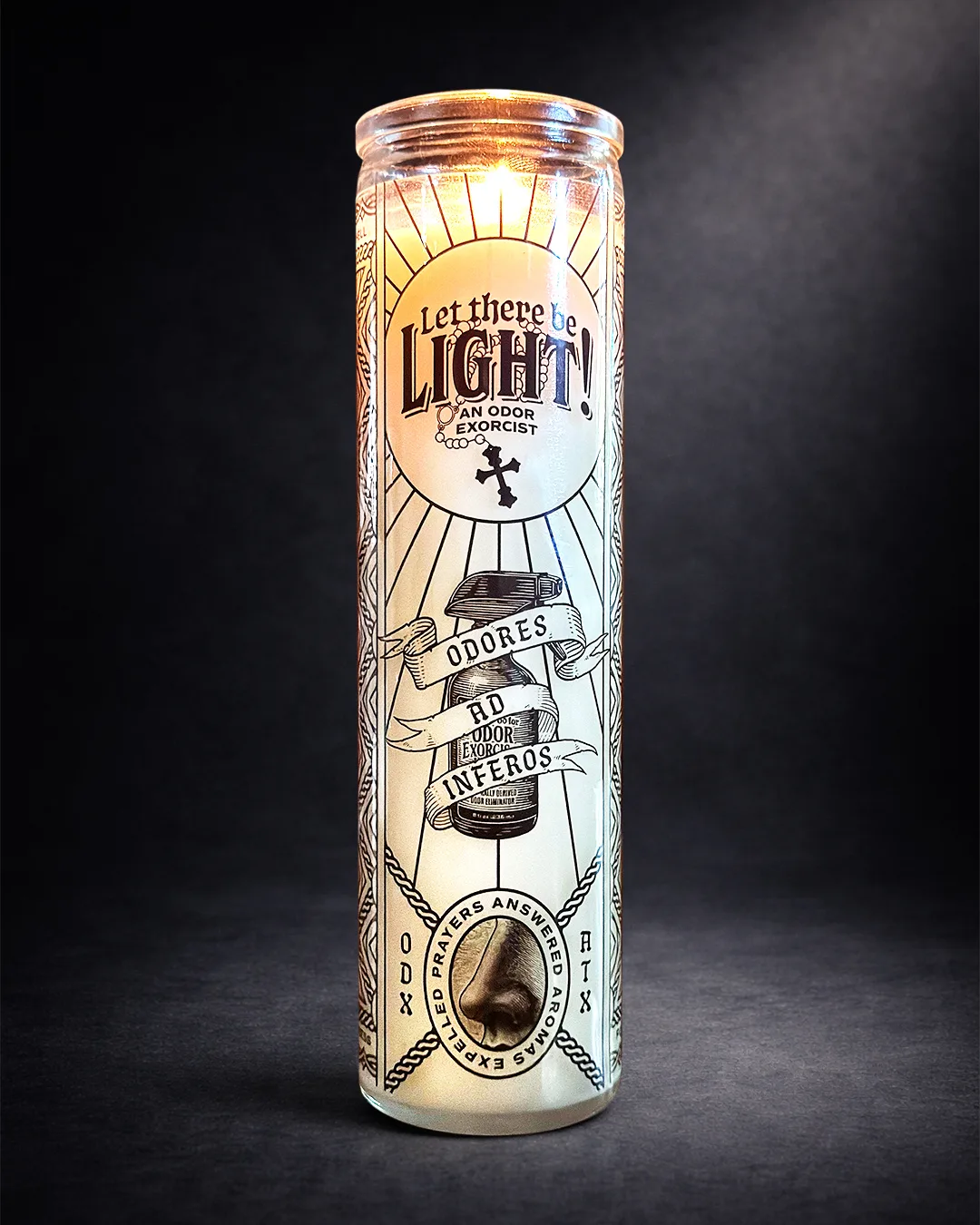
Use simmer pots or clean-burning candles after you have cleaned, aired out, or neutralized the offending smell. They are finishers, not fighters. This distinction saves people a lot of wasted effort and a truly biblical amount of disappointment.
9. Moisture control is half the battle
A lot of recurring odor comes down to dampness. Bathrooms, laundry rooms, basements, shoes, and under-sink cabinets all become little sanctuaries for smell when moisture lingers. Drying things out is often more effective than adding any fragrance at all.
Use fans, crack doors, rotate towels, empty hampers, and never leave wet shoes or sweaty clothes balled up in corners like an offering to the underworld. Once moisture is under control, every natural odor remedy works better.
When natural odor control is enough and when it is not
For everyday home odors, natural methods are often more than enough. They are especially useful for people who want a cleaner ingredient profile, hate artificial fragrance clouds, or live with pets, kids, or sensitive noses. They also make sense for maintenance, which is where most odor battles are won.
But some situations call for more than a household remedy. Mold inside walls, sewage smells, smoke damage, and repeated pet accidents in subflooring are not a baking soda problem. They are repair-and-remediation problems. Knowing the difference is not defeat. It is strategy.
A home does not need to smell like a fake tropical storm to feel clean. Usually, the best natural ways to eliminate odors are the least flashy ones: clean the source, dry the space, treat the surface, and use products that neutralize instead of perform theater. Save the drama for the demons. Your couch has suffered enough.